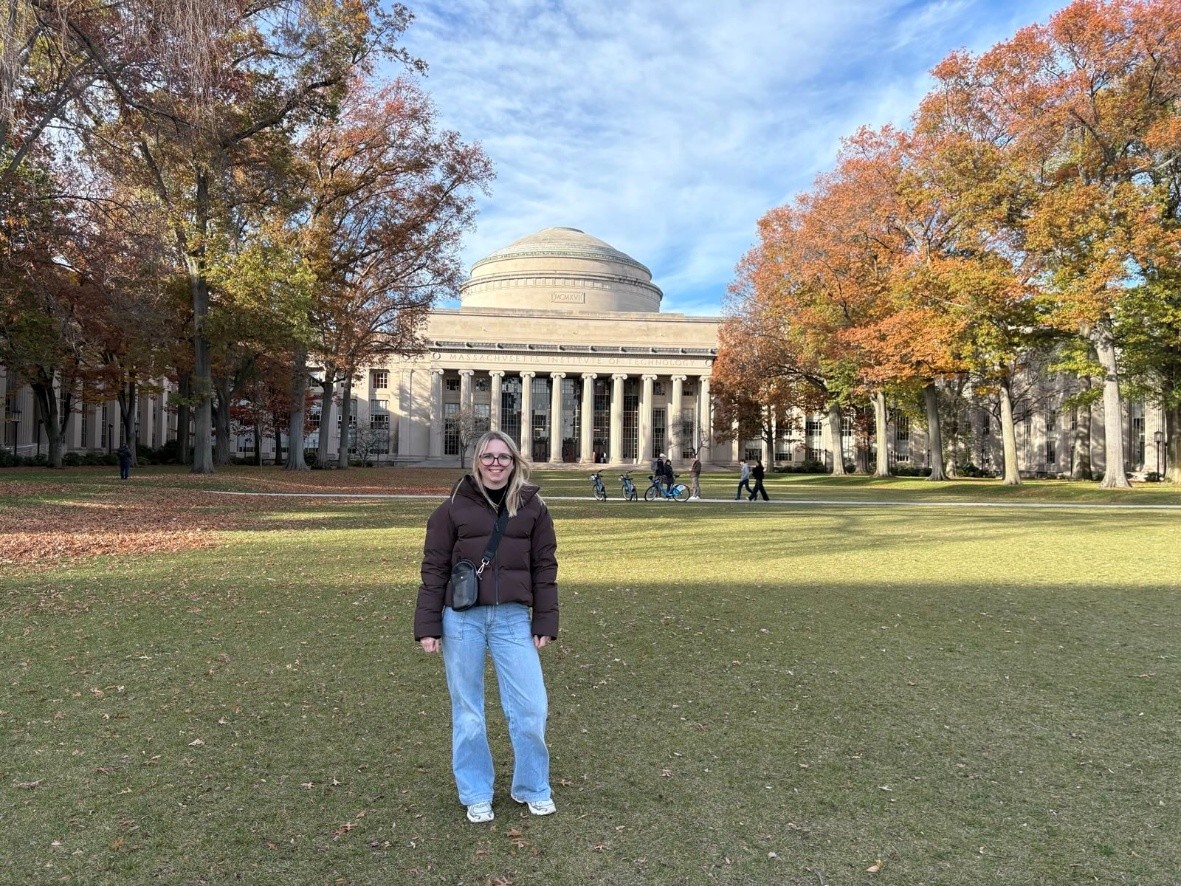
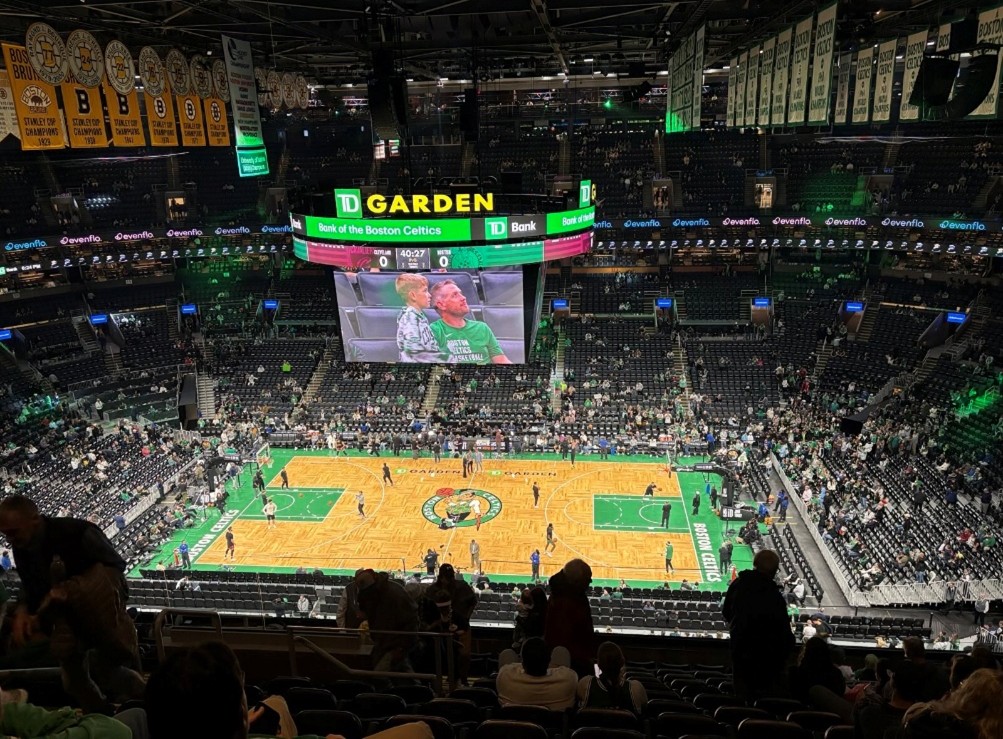
I was given the opportunity to do a research stay at the Visual Computing Group (VCG) at Harvard University in Boston, USA. During my 3-months stay from September 15, 2025 until December 12, 2025, I was able to work closely with Prof. Hanspeter Pfister and his visualization group. This research stay allowed me to connect with many VIS researchers at Harvard University and in Boston, build lasting friendships and an on-going research collaboration.
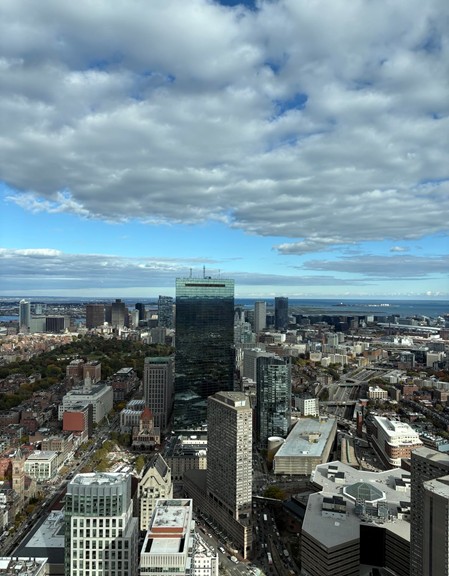
Prior to my research stay, I found a shared apartment in Allston, which was 15 minutes walking distance from the Harvard School of Engineering and Applied Sciences (SEAS) where the VCG group is located. Compared to other parts of the US, Boston and its surroundings has a lot of sidewalks, parks as well as public transports. This makes it very comfortable to commute and explore the city without the necessity of a car.
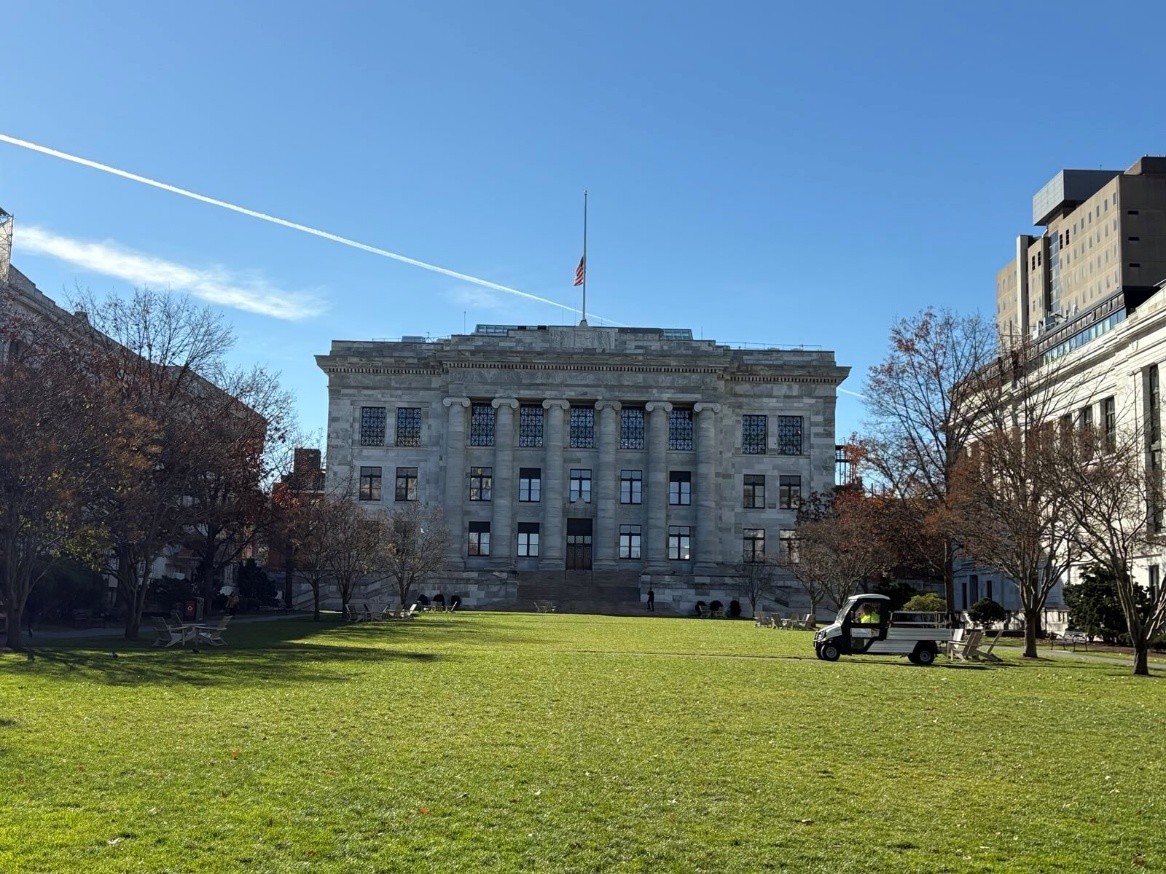
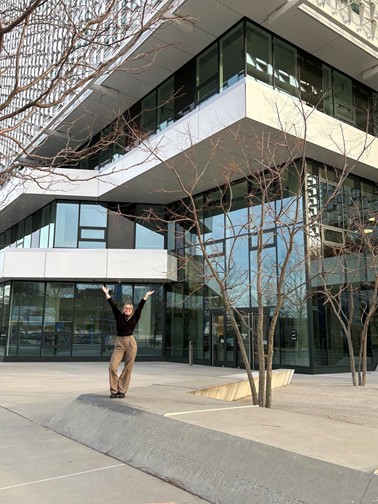
The VCG was an incredibly warm and welcoming research group and included me from the beginning. Since the group focuses on different research directions, they have a general group meeting on Monday in which group members present paper progresses as well as pre-conference talks. In addition, the visualization subgroup has another regular meeting to discuss visualization specific research topics. During one of these meetings, I had the pleasure to present my previous and on-going research and goals. Since Boston has several VIS labs at other universities, I was also able to visit the MIT Computer Science and Artificial Intelligence Laboratory (CSAIL) as well as the HiDIVE Laboratory at the Harvard Medical School. During both visits, I was able to connect to other researchers and discuss potential research directions.
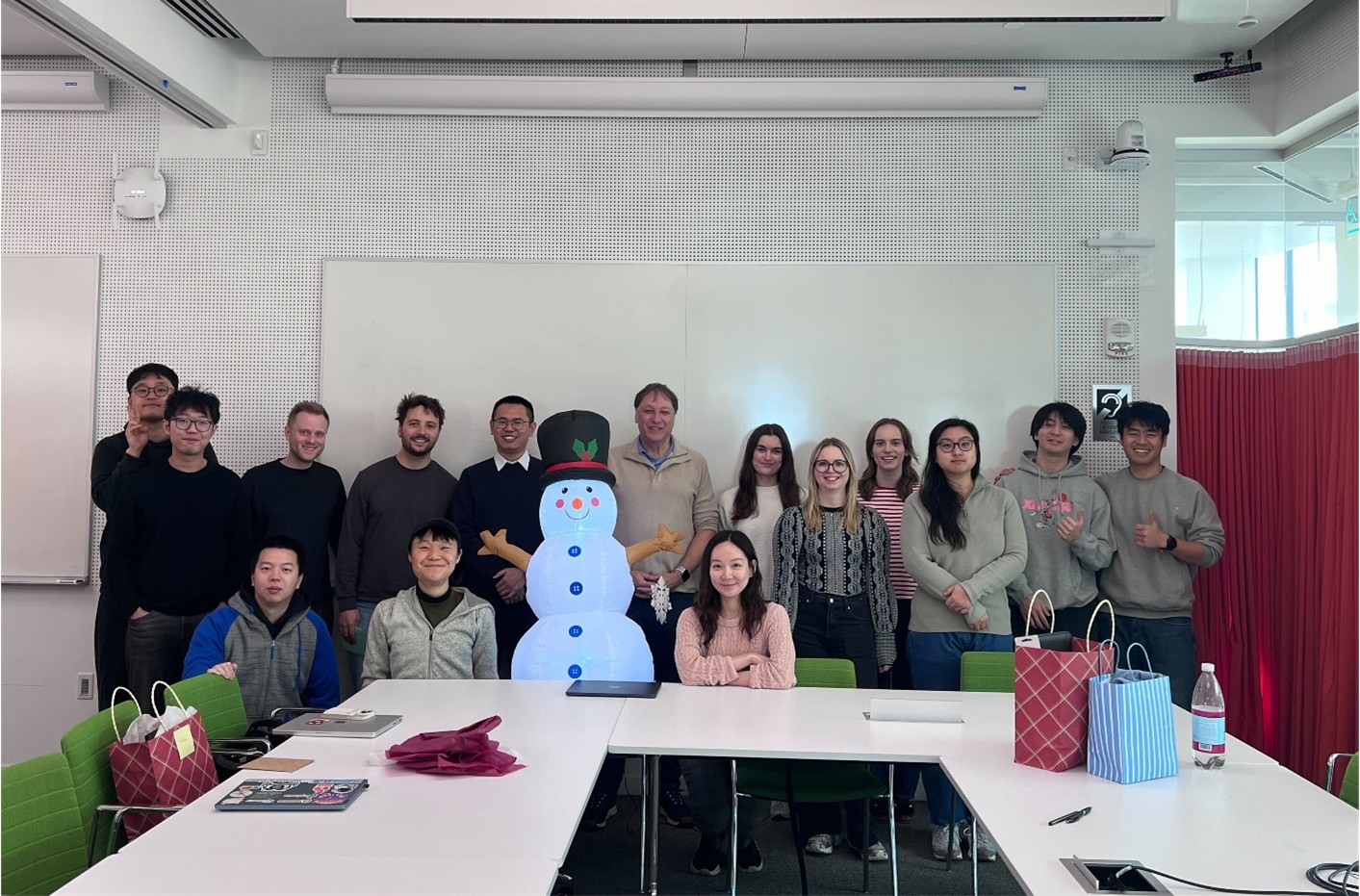
One of the core research directions of the VCG is the development of visualization techniques for sports analytics in AR and VR. Their aim is to enhance sports with data visualization for fans, coaches and athletes. In my PhD, I focus on visual highlighting in situated and immersive visualization. Since sports contexts include a lot of motion and distractions, it is a great use case to establish further visual highlighting foundations and made it a great fit for a potential new research direction.
During my time, I was able to closely work with Dr. Johannes Knittel and Chunggi Lee on shared research interests and future directions. Currently, we, including Prof. Pfister, have an on-going collaboration to successfully publish our research project soon. Our regular meetings and the inspiring environment allowed me to work on further research directions for my PhD and beyond. My 3-months stay in Boston went by very quickly and I enjoyed every second of it. It offered me many new perspectives for my academic but also personal journey.
I am very grateful to the SFB-TRR 161 for funding and supporting my research stay at Harvard University. I am also very grateful to Prof. Pfister for hosting me as a visiting researcher at his VCG group. A big thank you to Dr. Johannes Knittel for his academic but also personal support and advice during my stay. I also want to thank Chunggi Lee, I highly valued his time and effort as well as our on-going collaboration on the project.
I am also very grateful to Prof. Michael Sedlmair for giving me the opportunity to leave the research group in Stuttgart to do a research stay and his support throughout my time abroad. I am also thankful to Assistant Prof. Robert Krueger who initiated the initial contact to the VCG and his advice during the stay.
I also want to thank the Harvard Academic Appointment Manager and the International office for supporting me with administrative work and the VISA process.
Finally, a huge thank you to all members of the VCG group who made my stay very special by including me as part of the group and for the regular lunches and social activities. I am also very grateful for the large visiting community in Boston, who made my time beyond work special through social activities and friendships that created lasting memories for which I will forever be grateful. I definitely recommend going abroad to anyone who has the opportunity. I am very grateful to everyone who supported me during the planning and throughout my time there and made this a once-in-a-lifetime experience.